
 Image 1 of 5
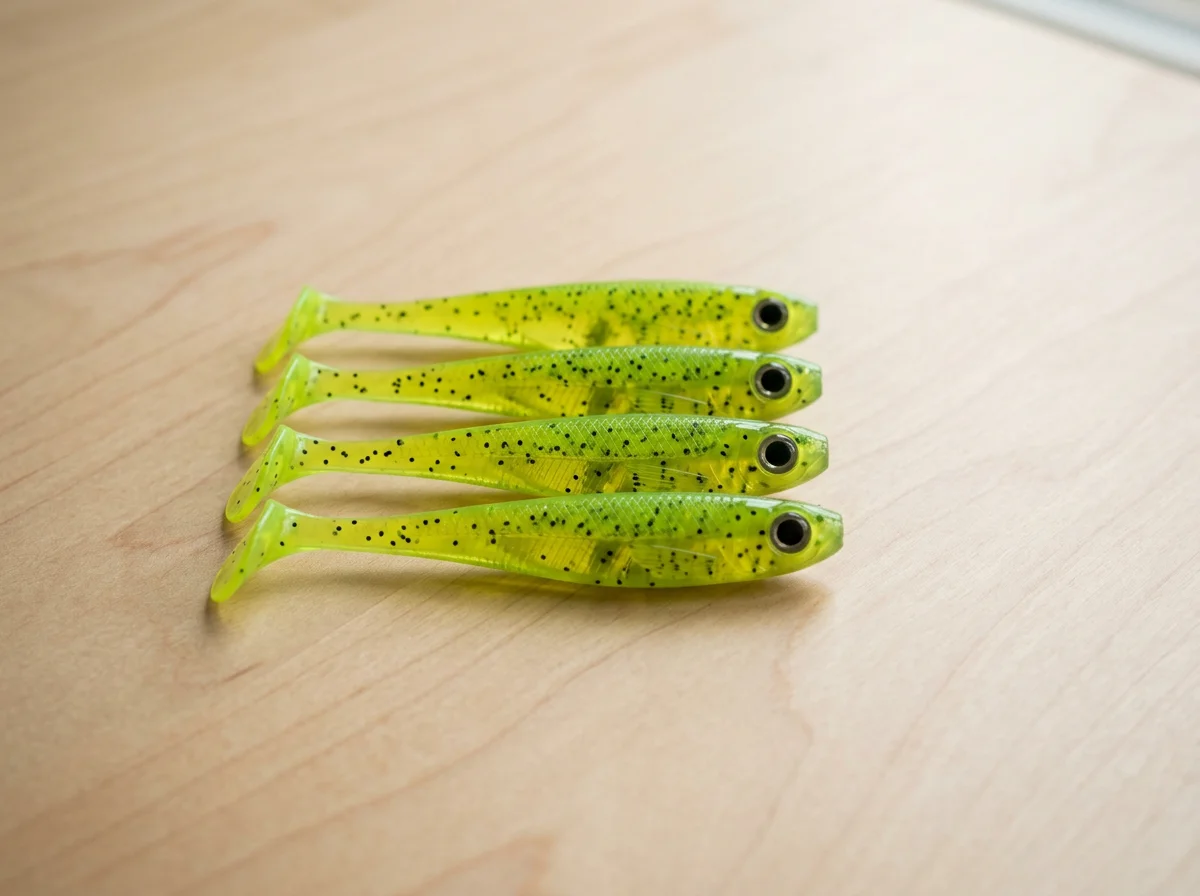 Image 2 of 5
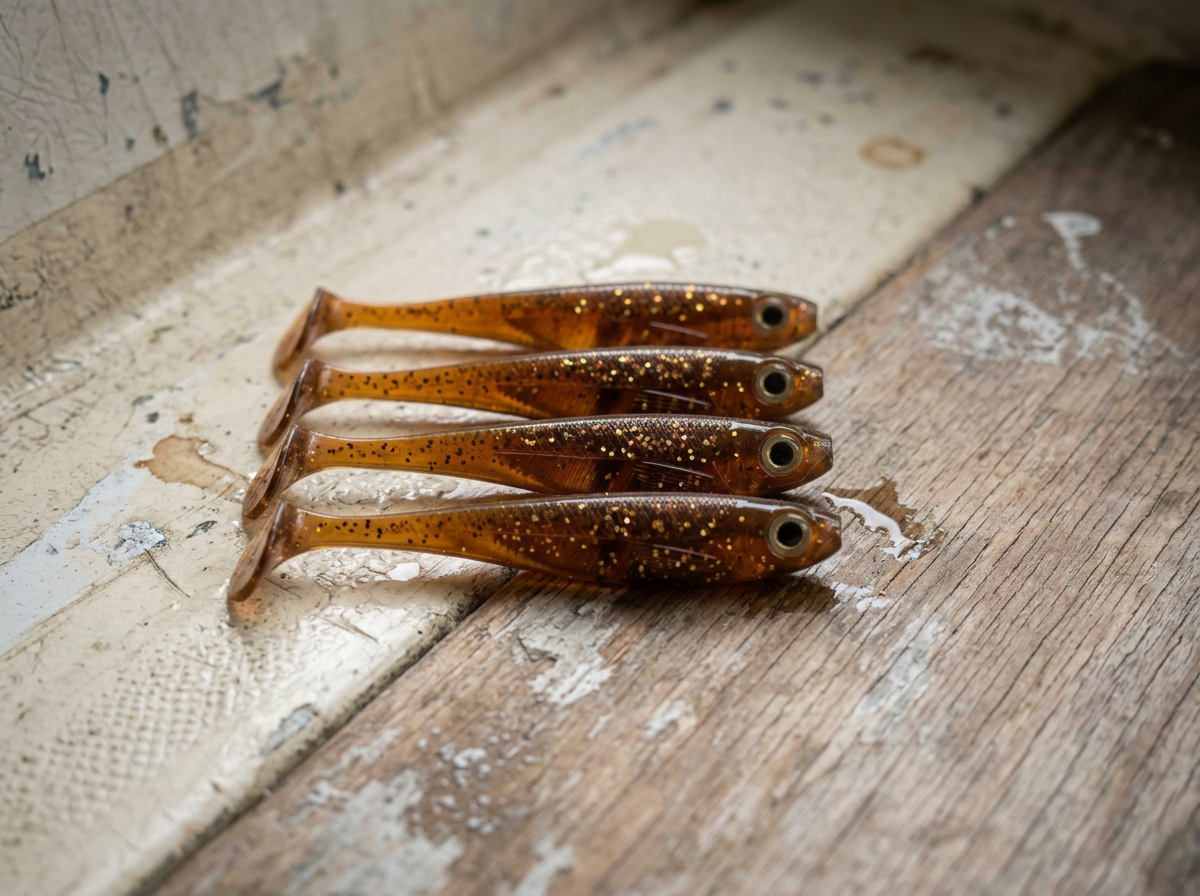 Image 3 of 5
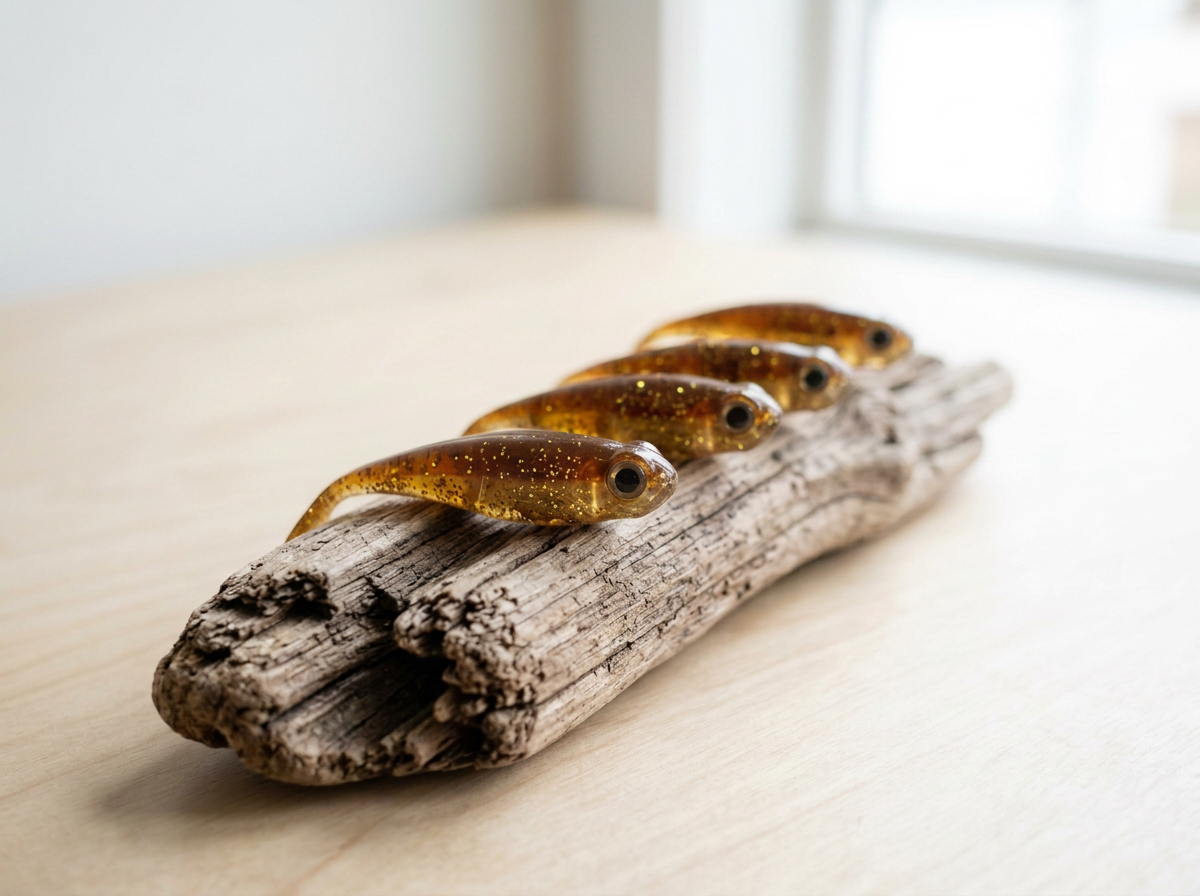 Image 4 of 5
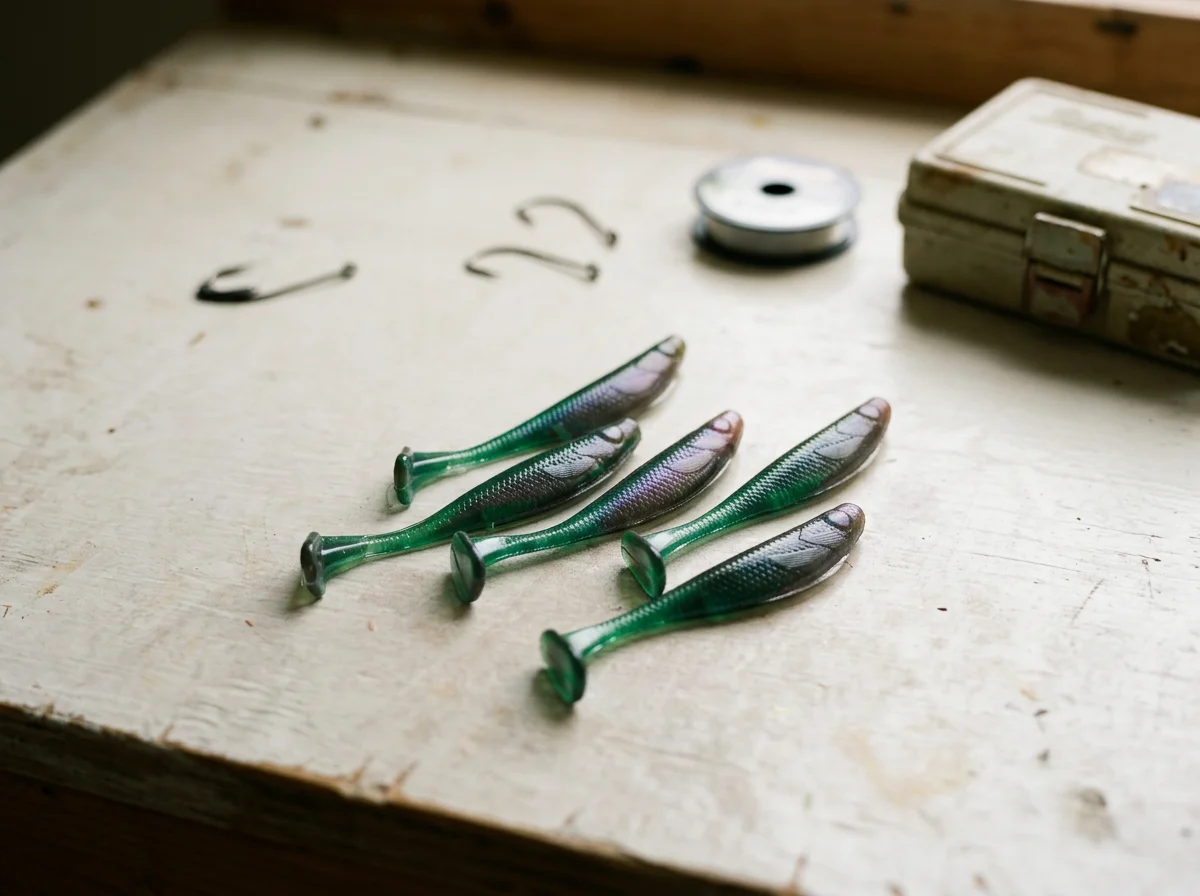 Image 5 of 5
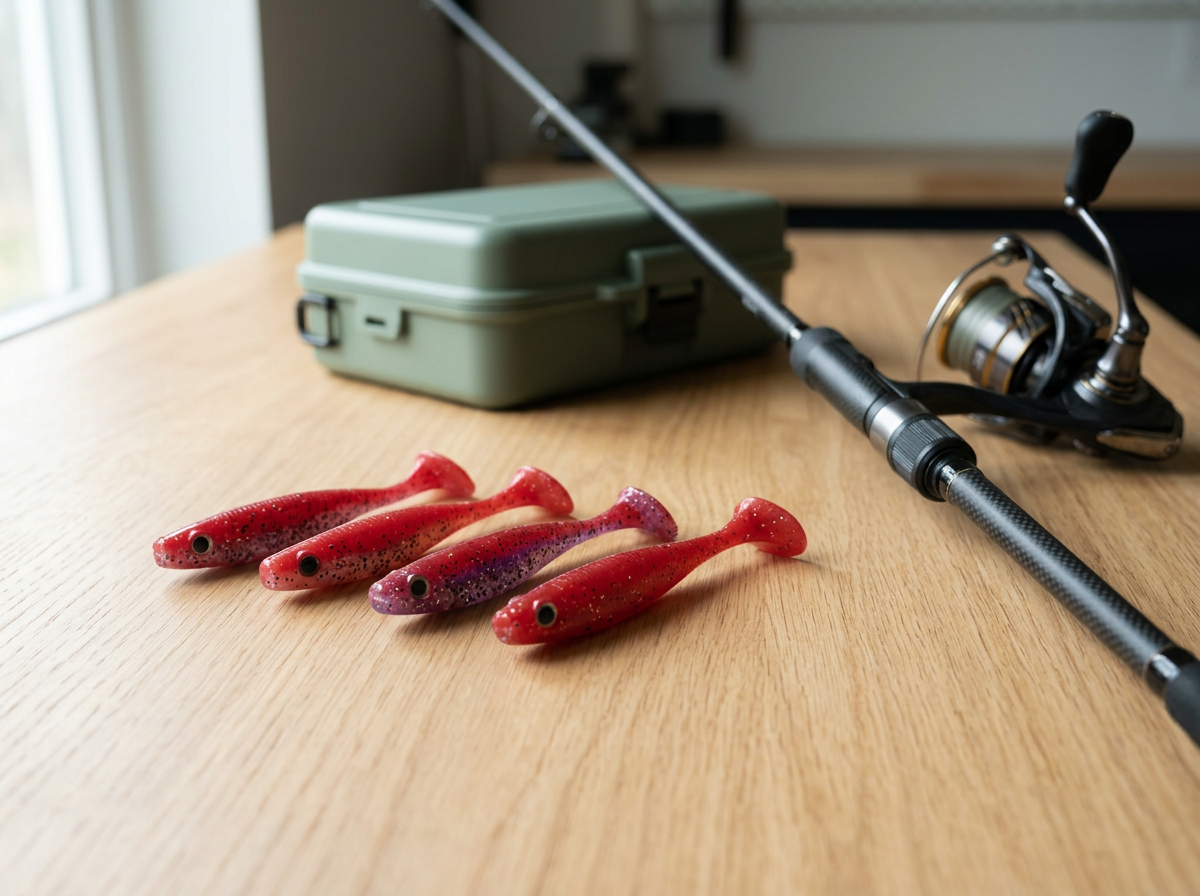
The 4" Paddle Tail is an exceptional soft plastic lure designed to entice a variety of fish species. Its unique blend of warm, coppery tones mimics the appearance of natural foraging bait, making it incredibly attractive in both fresh and saltwater environments. The elongated body, coupled with a lively paddle tail, produces realistic swimming action that generates enticing vibrations and movement in the water. Perfect for use on a variety of rigs, including jigs and Texas rigs, this versatile paddle tail is ideal for anglers looking to target species such as bass, trout, and redfish.
Targeting
Saltwater: Redfish, speckled trout, flounder, snook, striped bass
Brackish/Fresh: Largemouth bass in tidal rivers, smallmouth bass, walleye, heavy crappie (especially where finger mullet, threadfin, or glass minnows are schooling)
How to Rig It
1. Jighead (most versatile)
Thread the paddle tail straight onto a 1/8–3/8 oz jighead (size depending on depth and current).
Cast, let it sink to your target depth, and use a steady retrieve or a hop-and-drop cadence along the bottom.
Great for: Open flats, deep channels, sound drop-offs, and fishing around docks or bridges.
2. Weighted Weedless Hook
Use a belly-weighted swimbait hook (3/0 to 5/0 depending on your exact lure length).
Texpose-rig it so the hook point rests flat against the back or is lightly skin-hooked to remain completely weedless.
Retrieve with a slow, steady swim interspersed with occasional sharp rod-tip twitches to simulate a panicked baitfish.
Great for: Thick marsh grass, oyster rocks, sod banks, and structure where standard jigheads snag.
3. Under a Popping Cork
Tie a popping cork above an 18–24" fluorocarbon leader, pairing your custom paddle tail with a lightweight 1/16 or 1/8 oz jighead.
Give the rod short, aggressive snaps to make the cork pop and chug, then pause to let the paddle tail seductively swim down on the fall.
Great for: Call-in reaction strikes over shallow trout flats, murky marsh bays, and windy shorelines.